Repacking Decisions: What to Keep, Remove or Protect (Boxes, Tags, Filler)
A buyer's guide to repacking decisions: what original boxes, tags and filler to keep, remove or protect when consolidating parcels from China.
In this article
When your parcels are consolidated, you face a practical choice: keep the original boxes or remove them. This guide to repacking decisions explains what to keep, remove or protect so you cut cost without risking damage, and how to tell the team your preferences before anything is handled.
Why the keep-or-remove choice matters
Original packaging protects goods but adds volume, and volume drives freight through volumetric weight. Removing boxes and filler shrinks the carton and usually lowers the chargeable weight, but it can leave items more exposed. The right call depends on the item, not on a fixed rule, and this decision comes up as soon as several orders are batched together.
Keep original packaging when protection matters
Keep the retail or manufacturer box for fragile items, electronics with moulded inserts, and goods where the original packaging is part of the product, such as a gift or a collectible. If you plan to return or resell the item, the original box may be required. Keeping it trades a little extra volume for peace of mind and a lower damage risk.
Remove boxes and filler to cut volume
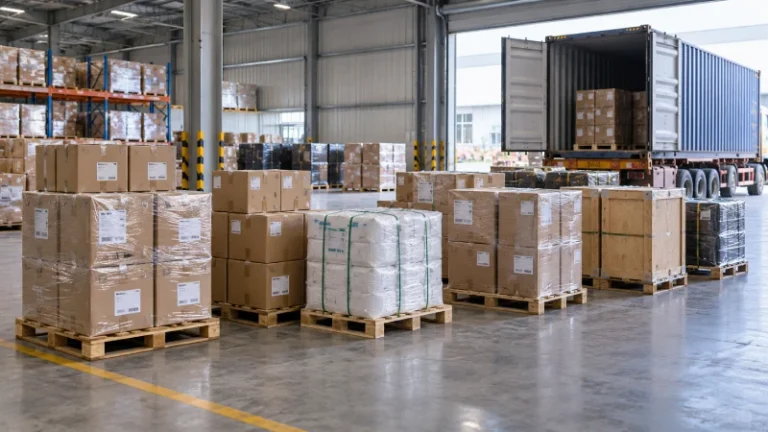
Remove bulky shoe boxes, stiff outer cartons and excess filler when the item is sturdy and the box adds no value, such as clothing, accessories or tools already wrapped. This is where most of the volume saving comes from, because several small boxes become one tighter carton, and less volume usually means lower freight.
Protect fragile and high-value items
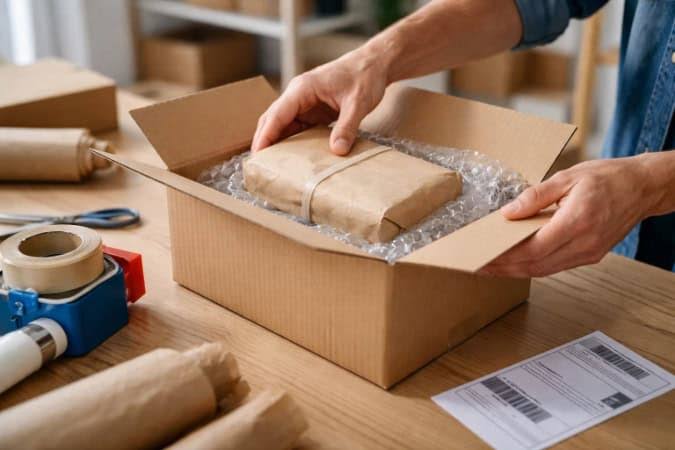
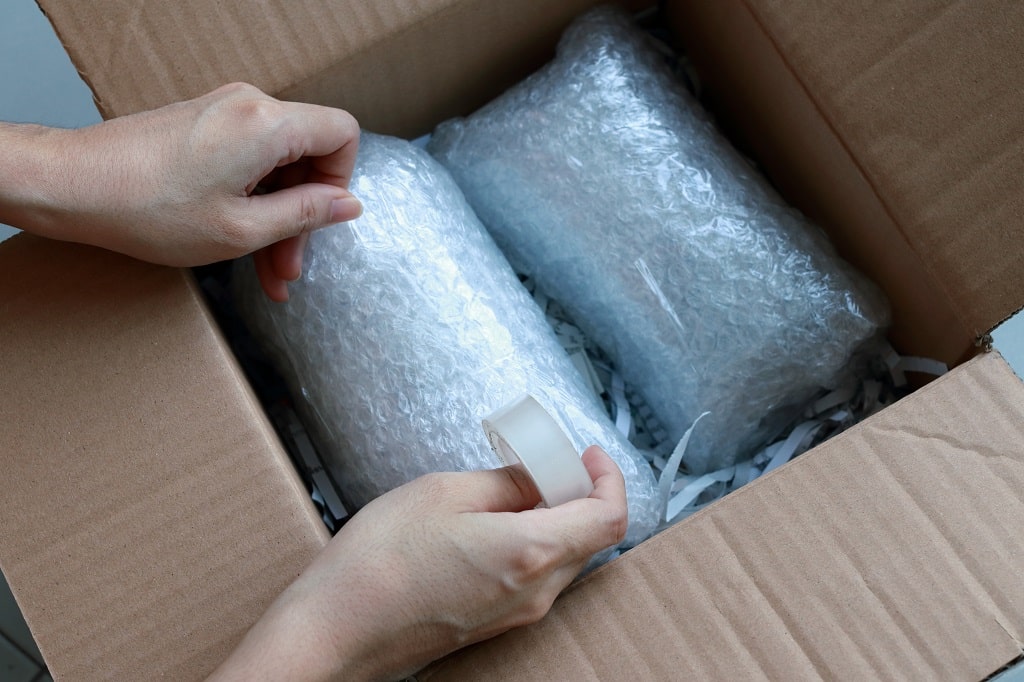
For breakables and high-value pieces, ask for protective packing such as wrap, reinforcement or a separate compartment. Protection can be added even when outer boxes are removed, so you do not have to choose between safety and size. Flag these items clearly so the warehouse team handles them as a distinct group within the batch.
Tell the team your preferences first
The handling is agreed before any work begins, so the best time to decide is when you submit the batch, not after the parcels are already open. State which items keep their packaging, what can be removed, and what needs extra protection. Once packed, the prepared specifications feed the forwarding step, where you review the carton count, measurements and charges before dispatch. If your goods came from several sellers, they are identified and batched by tracking number first.
Frequently Asked Questions
Should I keep original boxes when shipping?
Keep them for fragile items, electronics with moulded inserts, and goods where the box is part of the product or needed for return or resale. For sturdy items like clothing or tools, removing the box usually saves volume without adding much risk.
Does removing shoe boxes save on shipping?
Often yes. Shoe boxes are bulky and add volume that increases volumetric weight, so removing them can lower the freight. If the shoes are delicate or you need the original box for return, keep it and ask for protective packing instead.
Can I ask the team to keep retail packaging?
Yes. You can flag specific items to retain their retail or original packaging, and the team confirms that handling before work begins. Stating this when you submit the batch avoids the packaging being removed by default.
How do I tell the team my repacking preferences?
List which items keep their packaging, what can be removed, and what needs protection when you submit the batch. Because the handling scope is agreed before any repacking, your instructions are confirmed up front rather than after the goods are already open.